

The U.S. Federal Bureau of Investigation (FBI) warned network defenders that Iranian hackers linked to the country’s Ministry of Intelligence and Security (MOIS) are using Telegram in malware attacks.
In a flash alert issued on Friday, the FBI says Telegram is being used as command-and-control (C2) infrastructure by malware targeting journalists criticizing the Iranian government, Iranian dissidents, and various other oppositional groups worldwide.
“Due to the elevated geopolitical climate of the Middle East and current conflict, the FBI is highlighting this MOIS cyber activity,” the bureau said.
“This malware resulted in intelligence collection, data leaks, and reputational harm against the targeted parties. The FBI is releasing this information to maximize awareness of malicious Iranian cyber activity and provide mitigation strategies to reduce the risk of compromise.”
The bureau linked these attacks to the Iranian-linked and pro-Palestinian Handala hacktivist group (also known as Handala Hack Team, Hatef, Hamsa) and the Iranian state-sponsored Homeland Justice threat group tied to Iran’s Islamic Revolutionary Guard Corps (IRGC).
In these attacks, the Iranian hackers are using social engineering to infect targets’ devices with Windows malware that enables them to exfiltrate screenshots or files from compromised computers.
“Bad actors can and do use any available channel to control malware, including other messengers, emails or even direct web connections,” a Telegram spokesperson told after the article was published. “While there is nothing unique about the use of Telegram to control software, moderators routinely remove any accounts found to be involved with malware.”
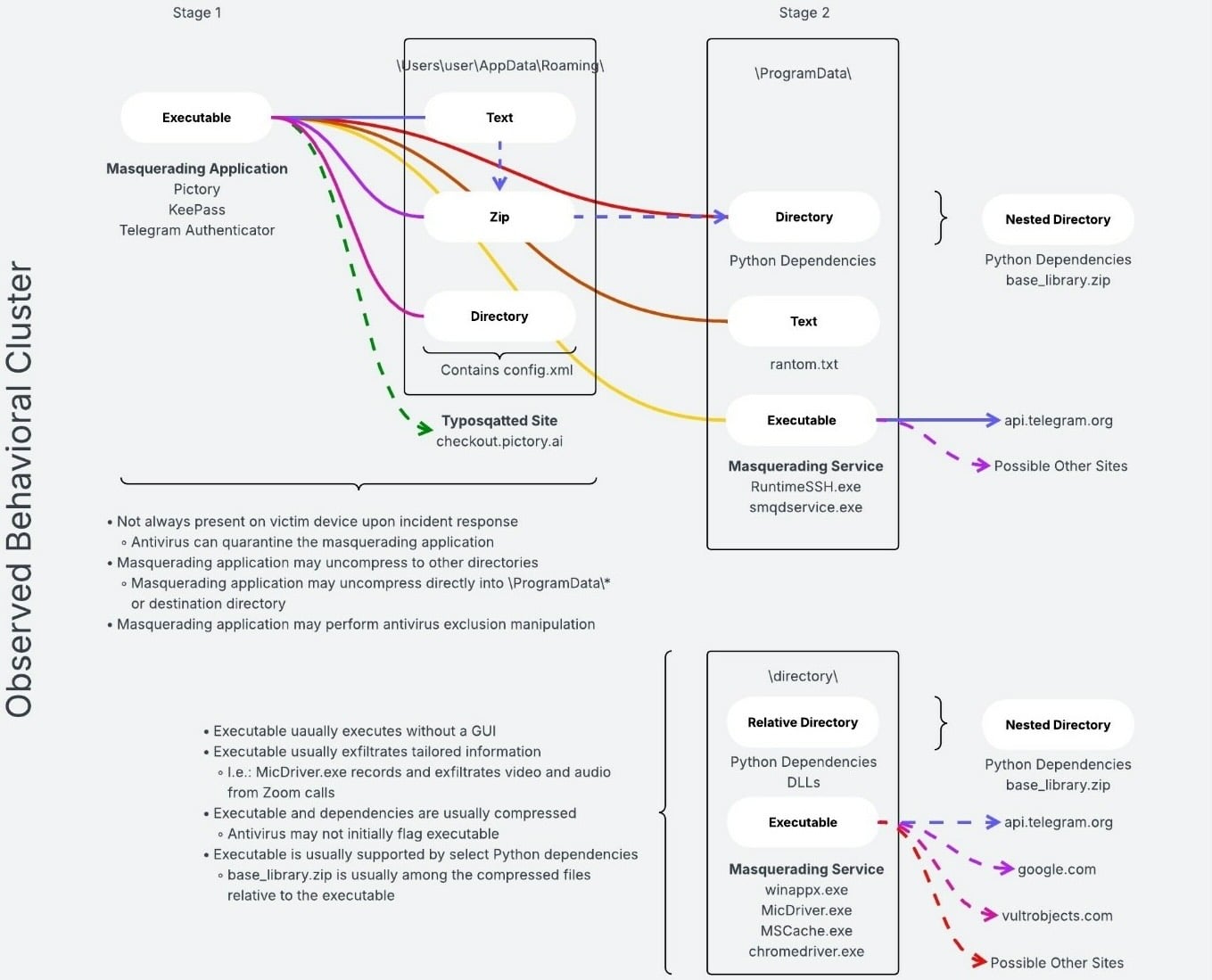
This warning was published one day after the FBI seized four domains (handala-redwanted[.]to, handala-hack[.]to, justicehomeland[.]org, and karmabelow80[.]org).
The websites available via the seized clearnet domains were used by the Handala and Homeland Justice threat groups, and a third threat actor tracked as Karma Below, during their attacks and to leak sensitive documents and data stolen in cyberattacks targeting victims in the United States and around the world.
These actions follow Handala’s cyberattack on U.S. medical giant Stryker, in which they factory reset approximately 80,000 devices (including employees’ personal computers and mobile devices managed by the company) using the Microsoft Intune wipe command after compromising a Windows domain administrator account and creating a new Global Administrator account.
Last week, the FBI also warned that Russian intelligence-linked threat actors are targeting Signal and WhatsApp users in phishing campaigns that have already compromised thousands of accounts.
“The activity targets individuals of high intelligence value, such as current and former U.S. government officials, military personnel, political figures, and journalists,” said the FBI in a public service announcement issued after Dutch and French cybersecurity authorities described similar account-hijacking operations.
Update March 23, 15:06 EDT: Added Telegram statement.
.ia_ad {
background-color: #f0f6ff;
width: 95%;
max-width: 800px;
margin: 15px auto;
border-radius: 8px;
border: 1px solid #d6ddee;
display: flex;
align-items: stretch;
padding: 0;
overflow: hidden;
}
.ia_lef {
flex: 1;
max-width: 200px;
height: auto;
display: flex;
align-items: stretch;
}
.ia_lef a {
display: flex;
width: 100%;
height: 100%;
}
.ia_lef a img {
width: 100%;
height: 100%;
border-radius: 8px 0 0 8px;
margin: 0;
display: block;
}
.ia_rig {
flex: 2;
padding: 10px;
display: flex;
flex-direction: column;
justify-content: center;
}
.ia_rig h2 {
font-size: 17px !important;
font-weight: 700;
color: #333;
line-height: 1.4;
font-family: Georgia, “Times New Roman”, Times, serif;
margin: 0 0 14px 0;
}
.ia_rig p {
font-weight: bold;
font-size: 14px;
margin: 0 0 clamp(6px, 2vw, 14px) 0;
}
.ia_button {
background-color: #FFF;
border: 1px solid #3b59aa;
color: black;
text-align: center;
text-decoration: none;
border-radius: 8px;
display: inline-block;
font-size: 16px;
font-weight: bold;
cursor: pointer;
padding: 10px 20px;
width: fit-content;
}
.ia_button a {
text-decoration: none;
color: inherit;
display: block;
}
@media (max-width: 600px) {
.ia_ad {
flex-direction: column;
align-items: center;
}
.ia_lef {
max-width: 100%;
}
.ia_lef a img {
border-radius: 8px 8px 0 0;
}
.ia_rig {
padding: 15px;
width: 100%;
}
.ia_button {
width: 100%;
margin: 0px auto;
}
}

Automated Pentesting Covers Only 1 of 6 Surfaces.
Automated pentesting proves the path exists. BAS proves whether your controls stop it. Most teams run one without the other.
This whitepaper maps six validation surfaces, shows where coverage ends, and provides practitioners with three diagnostic questions for any tool evaluation.


Comments